Seniors and First Responders Discount
5% Off

Blog
Water seeping through a foundation can be a major headache, especially if you notice damp walls, puddles, or a musty smell in your basement. Foundations are supposed to keep water out, but sometimes, especially after heavy rain, water finds a way in. In this guide, we’ll go over why water might be sneaking through, how to get rid of it, and what steps you can take to keep your foundation dry for good.
There are a few reasons water might be getting through your foundation. Let’s break down some of the common causes:
One of the biggest culprits is poor drainage. If the ground around your home doesn’t slope away from your foundation, rainwater can collect and eventually find its way in. Think of it as gravity doing its thing – water flows to the lowest point, and if that’s your basement, it’s in for an unwelcome stay.
Cracks are another reason water can seep through. Concrete is strong but can develop cracks over time due to temperature changes, soil movement, and even just the natural aging of the material. These cracks create entry points for water, especially during heavy rain or snowmelt.
When the ground around your foundation becomes saturated, the weight of all that water exerts pressure on the foundation walls. This is called hydrostatic pressure, and it can force water through even the tiniest of openings. If you live in an area with a high water table or heavy rainfall, this pressure can be intense.
Foundations must be properly waterproofed during construction, but sometimes, that doesn’t happen, or the materials used have worn out over time. An improperly sealed foundation doesn’t stand much of a chance against moisture, allowing water to make its way in.
If your gutters or downspouts are clogged or too short, water can pool near your foundation. Gutters should direct water well away from your home, ideally at least 6–10 feet. If they’re not, rainwater will collect around the base of your foundation and increase the chances of leaks.
So, if water has already found its way into your foundation, what should you do? Here are some actionable steps to tackle the immediate problem and prevent future issues:
The first step is to remove any standing water. For small puddles, a mop or wet vacuum might be all you need. For larger amounts, you may need a sump pump to drain the water away effectively. If you don’t have a sump pump, many hardware stores rent them out. Removing standing water quickly is important to prevent further damage and mold growth.
A dehumidifier can be incredibly helpful in drying out the air and keeping humidity levels down. After you’ve removed the standing water, a dehumidifier can help tackle any residual moisture, which is especially important if you’re dealing with a finished basement.

Once you’ve got the area dry, take a close look at your foundation walls for cracks or gaps. Small cracks can be filled with hydraulic cement or epoxy injections, which expand as they dry to block water flow. For larger cracks, you may need to consult a professional for a more robust repair.
Applying a waterproof coating to the inside walls of your basement can help prevent future seepage. Look for products specifically designed for masonry or concrete, as these are formulated to bond with the surface and resist water. Remember, though, that waterproofing coatings are typically a short-term fix if there are bigger drainage or structural issues.
Stopping water from getting in is all about addressing the underlying causes. Here are several strategies to keep your foundation dry:
This is one of the simplest and most effective ways to keep water away from your foundation. Make sure the soil around your house slopes away, ideally at a grade of about 5% (or six inches for the first 10 feet). You can add more soil to low areas around the foundation to create this slope.
Downspouts should extend far enough away from your home to prevent water from pooling near the foundation. If yours are too short, consider installing extensions or splash blocks to help guide water further away.
A clogged gutter can quickly lead to water pooling around your home. Make it a habit to check and clean out your gutters, especially in the fall when leaves and debris can build up. Keeping gutters clear ensures that rainwater is directed safely away from your foundation.
A French drain is a gravel-filled trench with a perforated pipe at the bottom that collects and directs groundwater away from your foundation. If you frequently experience pooling water around your foundation, this can be a great solution. French drains are typically installed along the perimeter of your home and should be done by a professional to ensure proper installation.
If you’re dealing with chronic water seepage, applying a waterproof membrane to the exterior of your foundation may be worth considering. This involves excavating around the foundation and applying a waterproof barrier, such as asphalt-modified urethane or rubberized asphalt, directly to the exterior walls. While this can be a more costly solution, it’s highly effective for keeping water out.
A sump pump is an excellent investment if water tends to collect in your basement. Sump pumps are installed in a pit in the lowest part of the basement and work by pumping water out of your home when it reaches a certain level. A sump pump can be especially helpful if you live in an area with a high water table or frequent heavy rain.

Windows and other openings, like utility penetrations, can also be entry points for water. Check that window wells are clear of debris and that window seals are intact. For windows below ground level, adding a clear plastic cover can prevent water from seeping in.
Even with all the preventive measures in place, basements naturally have higher humidity levels. Running a dehumidifier can help control moisture, preventing mold growth and musty odors.
It’s a good idea to inspect your basement walls and foundation periodically for any new cracks or leaks. Catching these issues early can prevent them from becoming larger problems.
Trees and shrubs planted close to your foundation can cause issues over time, as roots can create paths for water or even damage the foundation directly. Be mindful of landscaping choices and keep plants at a safe distance from your home’s foundation.
If water issues persist despite your best efforts, it may be time to call in a professional. A qualified waterproofing contractor can assess the situation, suggest the most effective solutions, and ensure everything is installed correctly to protect your home in the long run.
Fixing water seepage in your foundation takes a bit of work, but the peace of mind it brings is well worth the effort. By identifying the root causes and addressing them with the right techniques—whether it’s improving drainage, sealing cracks, or installing a sump pump—you can protect your home from water damage and maintain a dry, healthy space.
Many homeowners focus on home safety features like smoke detectors, carbon monoxide alarms, and security systems. However, one crucial aspect often overlooked is egress windows. This article will explore the importance of egress windows and why they are a necessary addition to any home. What Are Egress Windows? Egress windows are basement windows large enough […]
Learn more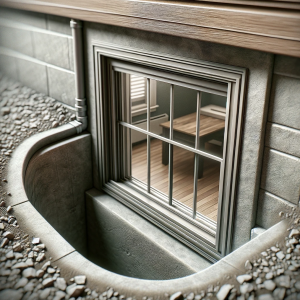
Foundation cracks can be a homeowner’s worst nightmare, leading to serious structural issues if not addressed promptly. While some cracks may require professional intervention, homeowners can fix many with the right tools and knowledge. This guide will walk you through how to fix foundation cracks by yourself and explain why it’s essential to waterproof the […]
Learn more
Overview of How a Basement Sump Pump Works A basement sump pump is a crucial component in many homes, particularly in areas prone to flooding or with high water tables. It’s designed to pump out water that has accumulated in a sump basin, commonly found in a home’s basement. The sump pump activates automatically when […]
Learn more
Water damage in the basement can be a homeowner’s nightmare, leading to costly repairs and significant property devaluation. Waterproofing the basement from the inside is a common strategy for mitigating these risks and ensuring the longevity and safety of your home. This article delves into the techniques, benefits, and considerations of waterproofing your basement from […]
Learn more
Waterproofing your basement is crucial in protecting your home from water damage. However, a common question among homeowners is, “How long does it take to waterproof a basement?” The answer varies depending on factors like the basement’s size, the waterproofing method, and the complexity of the issues being addressed. In this article, we’ll explain the […]
Learn more
Basement leakage can be a persistent and costly issue for homeowners, leading to structural damage, mold growth, and an unhealthy living environment. Understanding how to address and prevent basement leakage is essential to maintaining your home’s integrity and ensuring peace of mind. In this article, we’ll explore the causes of basement leakage, effective repair methods, […]
Learn more


