Seniors and First Responders Discount
5% Off

Blog
Weeping tiles, also known as foundation drainage systems, play a vital role in keeping your basement dry and protecting your home’s foundation from water damage. These systems are designed to collect and redirect groundwater away from your foundation, preventing leaks, cracks, and other structural issues. But like any part of your home, weeping tiles can develop problems over time.
When weeping tiles fail, the consequences can be costly and stressful. Identifying issues early can save you from severe water damage and expensive repairs. This article will explore the key signs of weeping tile problems, what causes them, and how to address them effectively.
Before diving into the signs of trouble, it’s important to understand the function of weeping tiles.
Weeping tiles are perforated pipes installed around the perimeter of your home, either on the interior or exterior of the foundation. Their purpose is to channel water away from the foundation, either to a sump pump or a municipal drainage system. When functioning properly, they help prevent:
However, when weeping tiles become clogged, damaged, or overwhelmed, they lose their effectiveness.
Here are the most common indicators that your weeping tiles might not be working as they should:
1. Persistent Basement Leaks
If you notice water pooling in your basement after heavy rain or snowmelt, it clearly indicates something is wrong. While small leaks might seem manageable initially, they often indicate a larger issue with your drainage system.
2. Damp or Wet Walls
Water stains, damp spots, or peeling paint on basement walls can signal that the weeping tiles aren’t properly diverting water. Over time, this can lead to mold growth and damage to your wall materials.
3. Foundation Cracks
Excessive water pressure against your foundation can cause cracks to form. These cracks not only compromise your home’s structural integrity but can also worsen water intrusion.
4. Sump Pump Overload
A sump pump that frequently cycles on and off or struggles to keep up during rainstorms might be compensating for failing weeping tiles. This extra strain can shorten the life of your sump pump.
5. Mold or Mildew Growth
Moisture problems caused by poor drainage can create the perfect environment for mold and mildew. If you detect a musty smell or notice mold patches in your basement, it’s time to investigate.
6. Soil Erosion or Pooling Water Outside
Water pooling near your foundation or soil erosion around your home are signs that your exterior drainage system isn’t working correctly. This could mean the weeping tiles are clogged or broken.
7. Slow Draining Water in Basement Drains
If the water in your basement drains takes longer than usual to disappear, it could point to a blockage in the weeping tile system.
8. Higher Humidity Levels in the Basement
Unusually high humidity in your basement, even with no visible water, can be a subtle sign of weeping tile problems. The moisture trapped around your foundation may be seeping through.
Understanding what can lead to these problems can help you prevent them in the future:
1. Clogged Weeping Tiles
Over time, debris such as soil, sand, and tree roots can accumulate in the pipes, blocking water flow.
2. Improper Installation
The weeping tiles may not function efficiently if installed incorrectly or without proper grading.
3. Aging Materials
Older systems made of clay or other outdated materials are more prone to cracking, collapsing, or clogging.
4. Insufficient Maintenance
Neglecting to inspect and maintain your weeping tile system can allow minor issues to escalate.
5. Heavy Rainfall or Flooding
Extreme weather events can overwhelm the drainage capacity of weeping tiles, especially if they’re already compromised.
1. Conduct a Thorough Inspection
Start by examining your basement for signs of water damage and your yard for pooling water. If the issue isn’t obvious, a professional can perform a more detailed inspection using tools like cameras to assess the condition of the weeping tiles.
2. Clean the Weeping Tiles
If clogs are the issue, the weeping tiles can often be cleared using high-pressure water jetting. This removes debris and restores the flow of water.
3. Repair or Replace Damaged Sections
Targeted repairs might be enough for cracked or broken weeping tiles. In more severe cases, a full replacement may be necessary to ensure long-term performance.
4. Install a Backup Drainage System
Adding a sump pump or interior drainage system can provide extra protection in case of heavy rains or future weeping tile failures.
5. Improve Exterior Drainage
Ensure that gutters and downspouts direct water at least 6-10 feet away from your foundation. Proper landscaping and grading can also help keep water from pooling near your home.
While some minor issues can be handled on your own, many weeping tile problems require professional expertise. Here’s when to bring in the pros:
Preventing weeping tile problems starts with proper maintenance and proactive care:
Weeping tiles are an essential part of your home’s drainage system, but they’re not invincible. Recognizing the signs of weeping tile problems—such as basement leaks, foundation cracks, and sump pump overloads—can help you take action before the issue escalates.
Whether it’s clearing a clog, repairing damaged sections, or installing additional drainage solutions, addressing these problems promptly will protect your home and provide peace of mind. And remember, when in doubt, consulting a professional is the best way to ensure your weeping tile system is working as it should.
Damp proofing is a method used in construction to prevent moisture from entering and damaging a building’s structure. It involves various techniques, materials, and processes to block or redirect water away from areas where it can cause harm. Damp problems in buildings can lead to structural damage, mold growth, unhealthy living environments, and reduced property […]
Learn more
When it comes to home improvement projects, homeowners often weigh the costs against the potential return on investment. One common question is, “Does waterproofing a basement add value?” The short answer is yes, but the benefits extend far beyond a potential increase in property value. Waterproofing your basement offers both tangible and intangible advantages that […]
Learn more
Basements are notorious for being damp and musty, which creates an uncomfortable environment and can lead to mould and mildew growth, causing potential health issues and damage to your home. Managing humidity levels is crucial to maintaining a healthy, comfortable living space. This article will guide you through the steps to dehumidify, lower, and reduce […]
Learn more
Many homeowners focus on home safety features like smoke detectors, carbon monoxide alarms, and security systems. However, one crucial aspect often overlooked is egress windows. This article will explore the importance of egress windows and why they are a necessary addition to any home. What Are Egress Windows? Egress windows are basement windows large enough […]
Learn more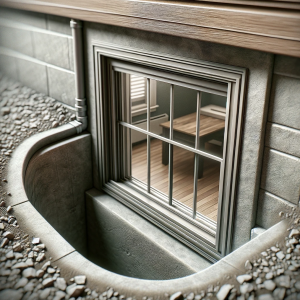
Toronto homeowners know that their basements are constantly threatened by water intrusion. With harsh winters, rapid thaws, and unpredictable rainfalls, finding the best waterproofing method is not just a luxury—it’s a necessity. As we move into 2025, technological advancements and a deeper understanding of environmental factors have reshaped the waterproofing landscape. Here’s a look at […]
Learn more
Waterproofing your basement is not just a preventive measure to protect your home from the occasional drip or puddle — it’s a necessary step to ensure your property’s structural integrity and longevity. With various methods available, choosing the best way to waterproof a basement can seem daunting. This article explores the best waterproofing methods, diving […]
Learn more


