Seniors and First Responders Discount
5% Off

Blog
Waterproofing exterior foundation walls is one of the most crucial steps in protecting a home’s structural integrity and ensuring a dry, healthy living space. The foundation serves as the base of your home, and when it’s compromised by water intrusion, it can lead to severe damage, mold growth, and expensive repairs.
In this article, we’ll explore the best waterproofing methods and materials for exterior foundation walls, the benefits of each, and why this step is essential for the longevity of your home.
Exterior foundation walls are constantly exposed to groundwater, rain, and snow moisture. Over time, this exposure can cause issues such as:
Properly waterproofing exterior foundation walls creates a barrier that keeps water out and prevents these common issues.
When choosing the best method to waterproof your exterior foundation walls, look for these features:
Elastomeric waterproofing membranes are among the most popular and effective solutions for exterior foundation walls. These liquid-applied membranes cure into a flexible, rubber-like coating that adheres tightly to the surface.
Benefits:
Application:
The membrane is sprayed or rolled onto clean, prepared foundation walls. It’s often used with other drainage systems, such as weeping tiles or French drains.
Sheet membranes are another excellent option, typically made of modified asphalt or synthetic rubber. These prefabricated sheets are applied to the foundation and sealed at the edges to create a watertight barrier.
Benefits:
Application:
Sheets are adhered to the wall using a self-adhesive or liquid bonding agent. To prevent leaks, overlaps between sheets are sealed.
Bentonite is a natural clay material that expands when wet, creating an effective barrier against water. It’s often used as part of a composite system or as a standalone method for waterproofing exterior foundation walls.
Benefits:
Application:
Bentonite is applied in sheet form, as a spray, or as a layer of granules mixed with soil. It’s most commonly used in areas with consistent soil moisture levels.
Cementitious waterproofing involves applying a cement-based coating mixed with waterproof additives to the foundation walls. While not as flexible as other methods, it offers reliable protection against water intrusion.
Benefits:
Application:
The mixture is applied to foundation walls using a brush, trowel, or sprayer. For added durability, a second layer of waterproofing fabric can be reinforced.
Dimpled drainage boards are rigid plastic sheets with textured surfaces that channel water away from the foundation. While not a primary waterproofing material, they work well as part of a comprehensive system.
Benefits:
Application:
Drainage boards are installed over waterproof membranes to enhance their performance and longevity.
1. Soil Type and Drainage
The type of soil around your foundation plays a significant role in water management. Clay-rich soils retain water, increasing hydrostatic pressure, while sandy soils drain more easily. Proper grading and drainage systems can mitigate these challenges.
2. Climate
In areas with freeze-thaw cycles, choose waterproofing materials that can handle temperature fluctuations and remain flexible.
3. Foundation Type
Poured concrete, cinder blocks, and stone foundations each have unique vulnerabilities. Ensure the chosen waterproofing method suits the specific material.
4. Compatibility with Drainage Systems
Combining waterproofing with drainage solutions, such as French drains or sump pumps, ensures comprehensive protection.
While DIY waterproofing may seem cost-effective, relying on professionals for exterior waterproofing is often better. Here’s why:
Even with the best waterproofing system, regular maintenance is essential:
The best method for exterior waterproofing in Toronto depends on your home’s specific needs, the soil and climate conditions, and your budget. Elastomeric membranes and sheet systems are excellent choices for comprehensive protection, while dimpled drainage boards and bentonite add valuable support in challenging environments.
Ultimately, the goal is to create a durable, long-lasting barrier against water intrusion. Consulting a professional waterproofing contractor can help you identify the right solution for your home, ensuring your foundation remains strong and your basement is dry for years to come.
A flooded basement is one of the most stressful situations a homeowner can face. Whether caused by heavy rainfall, plumbing issues, or a sump pump failure, the aftermath of a basement flood can lead to costly damage, mold growth, and a loss of valuable possessions. For homeowners in Toronto and the Greater Toronto Area (GTA), […]
Learn more
If you’ve ever dealt with a wet basement or know someone who has, you might have heard about this small yet mighty machine called a sump pump. It’s a behind-the-scenes hero for homes in rainy climates or places where water can easily seep into basements. But what exactly does it do, how long can it […]
Learn more
Many homeowners focus on home safety features like smoke detectors, carbon monoxide alarms, and security systems. However, one crucial aspect often overlooked is egress windows. This article will explore the importance of egress windows and why they are a necessary addition to any home. What Are Egress Windows? Egress windows are basement windows large enough […]
Learn more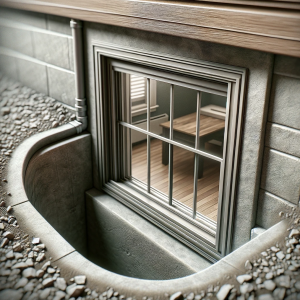
While experiencing water leaking into basement areas after heavy rain is common, it is certainly not a regular thing. You must address leaky basement issues immediately, as they may indicate severe and permanent foundation damage. If you have ever discovered water in your basement after rainfall, let’s discuss steps you can take to mitigate risk. […]
Learn more
Basements are notorious for being damp and musty, which creates an uncomfortable environment and can lead to mould and mildew growth, causing potential health issues and damage to your home. Managing humidity levels is crucial to maintaining a healthy, comfortable living space. This article will guide you through the steps to dehumidify, lower, and reduce […]
Learn more
Basement waterproofing is a vital step in maintaining your home’s integrity and preventing costly damage. However, homeowners often face the question, “Is it better to waterproof a basement from inside or outside?” The answer depends on the specific needs of your home, the source of water intrusion, and your long-term goals. This article will explore […]
Learn more


